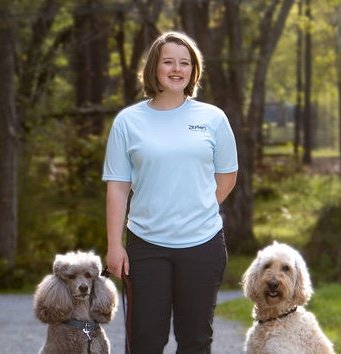
Bringing home a puppy is equal parts excitement and "oh my, what have we done." One minute you're swooning over puppy breath, the next you have become a human chew toy.
The first 30 days of puppy ownership set the tone for everything that follows. Often people focus primarily on teaching their puppy everything they can and although that is important, the primary focus needs to be on building diverse, positive experiences of the world around them. If I were going through the puppy phase again, here's how I'd map out the first month, week by week.
⸻
Before your puppy comes home: set the stage
A little prep makes day one infinitely smoother. Before your puppy arrives, get the essentials ready: a crate or playpen, food and water bowls, the same food your puppy has been eating, a collar and a well-fitted harness, a leash, an enzymatic cleaner for the inevitable accidents, and a small pile of safe chew toys. Puppy-proof your home at puppy height: tuck away cords, shoes, and anything chewable, and decide in advance which rooms are off-limits for now. (Baby gates will be your best friend!)
This is also the moment to line up your support team. Choose a veterinarian (bonus points if they are Fear Free certified) and book a first wellness visit, and look into a puppy class so you can start socialization at the right time rather than scrambling later.
⸻
Day 1: keep it calm and quiet
Resist the urge to do anything too exciting or eventful on day one. Your puppy has just left everything they've ever known, so the first day is about safety and decompression, not excitement. Keep the household calm, let your puppy explore one or two rooms at their own pace, and start the potty routine immediately by taking them to your chosen spot often and rewarding the moment they go.
Introduce the crate as a cozy, good place from the very beginning, with treats and a soft surface, so the crate is a comfort zone. And expect a rough first night or two, whining is normal, and the crate near your bed usually helps everyone sleep.
⸻
Week 1: routine, bonding, and a vet visit
Puppies feel safest when life is predictable, so the first full week is all about rhythm. Build a loose daily routine around eating, potty trips, naps, short play, and rest. Most young puppies need far more sleep than people expect, around 18 to 20 hours a day, and an overtired puppy is a bitey, frantic puppy, so protect those naps fiercely.
This week, get your puppy to that first vet appointment to confirm they're healthy, continue their vaccine series, and set up parasite prevention. Make sure to bring lots of treats to the vet so it can be a positive experience from the start! Begin gentle handling of paws, ears, and mouth so future vet and grooming visits are easy.
The universal puppy problems such as biting, jumping, and potty accidents that almost certainly show up this week. My guide on the blog to stopping puppy biting, jumping, and potty accidents walks through exactly how to handle each one without punishment.
⸻
Weeks 2-4: socialize, gently train, and enroll
Once your puppy has settled in and your vet has given the green light, these weeks are where we really focus on socialization. Remember that the critical socialization window closes around 14 to 16 weeks, so now is the time to start safe, positive exposure to the world.
Focus on quality over quantity: gentle introductions to new people, sounds, surfaces, and objects, all paired with treats and kept short and happy. Skip dog parks in favor of controlled settings like a good puppy class or playdates with a known, healthy dog. Keep training sessions tiny and fun, a few minutes of name recognition, sit, and coming when called, scattered through the day.
This is also the ideal moment to enroll in a structured puppy class, both for the safe socialization and for the support of someone who can answer your questions in real time. My Puppy Preschool is built for exactly this stage, with a small group of five puppies max in a private fenced backyard in East Tallahassee, ages 8 to 20 weeks. If your puppy needs a more customized approach, my private lessons start with a free consultation.
⸻
Frequently asked questions
What should I do the first day with a new puppy?
Keep it calm and low-key. Let your puppy explore a small area, start the potty routine right away, introduce the crate as a positive space, and protect their rest. Save the big introductions and excitement for later.
When should my new puppy see a vet?
Within the first few days to a week of bringing them home. Your vet will confirm your puppy is healthy, start or continue vaccines, and set up parasite prevention.
When can I start training and socializing my puppy?
Right away, around 8 weeks. Early training and safe socialization during the critical window before 14 to 16 weeks are the most valuable things you can do for your puppy's future.
How much sleep does a new puppy need?
A lot! Roughly 18 to 20 hours a day for young puppies. Overtired puppies get nippy and frantic, so frequent naps are part of good behavior, not a luxury.
Is it normal for my puppy to cry at night?
Yes, especially the first few nights in a new home. A crate near your bed, a consistent bedtime routine, and a last potty trip before lights-out usually help everyone settle.
⸻
The first 30 days are critical for the long term health and emotional well being of your puppy. They're about helping your puppy feel safe, building a gentle routine, and laying a foundation of trust you'll build on for years. Go slow, protect the naps, reward the good stuff, and forgive the puddles.
You don't have to figure it all out alone. Getting connected with a puppy trainer early gives you opportunities for both safe socialization and a real person to ask all those training questions. My Puppy Preschool and private lessons here in Tallahassee are designed to walk this first stretch right alongside you.
You've got this, and the puppy chaos is 100% worth it.
TLDR
Your new puppy's first 30 days are about safety, routine, and an early start. Prep supplies and a vet before arrival, keep day one calm, and start potty training and crate comfort immediately. In week one, build a predictable routine, protect 18 to 20 hours of sleep, get a vet check, and begin gentle handling and small training games. In weeks two through four, start safe socialization during the critical window, keep training short and positive, and enroll in a puppy class. Go gently, reward often, and lean on support.